
The Potential for the Wind Turbine Industry in Canada
The most affordable form of new electricity generation in Canada right now is wind energy. Over the past ten years, more wind energy capacity has been installed in Canada than any other type.
What Are Wind Turbines?
The basic idea behind how a wind turbine operates is that, unlike a fan — which creates wind by using energy — a wind turbine creates electricity by utilizing wind. A turbine's blades, which resemble propellers, rotate around a rotor. The generator is then turned by the driveshaft to produce electricity.

What Are the Benefits of Wind Turbines?
- No greenhouse gas emissions
- No air pollution
- No water pollution
- No toxic or hazardous wastes produced
- A domestic source of energy
- Sustainable and renewable
- Creates jobs across the industry
- Can be built on existing farms or ranches
What Are the Different Types of Wind Turbines?

Horizontal-Axis Turbines (HAWT)
These are the turbines most people picture when they hear "wind turbine." Rotor blades attached to a horizontal shaft rotate as wind strikes them — much like a windmill — but here the shaft connects to a generator that produces electrical energy.
Vertical-Axis Turbines (VAWT)
Vertical-axis turbines feature a vertically placed shaft around which the rotors spin. Because they are less sensitive to wind direction, they are ideal for locations where wind direction varies frequently. The blades move and rotate the shaft to generate electricity regardless of which way the wind blows.
Implementation of Wind Turbines in Canada

Different sizes and deployment configurations are possible for wind turbines. Most wind turbines in Canada are utility-scale and installed on land in a variety of configurations to supply power straight to the energy grid.
Corporations, First Nations, municipalities, and community organizations all around Canada have installed wind turbines. Through tax payments to governments, lease payments to landowners, and direct cash contributions, wind energy projects significantly enhance the economies of hundreds of towns across Canada. Smaller wind turbines are also used — less frequently — to supply homes, cottages, and small businesses with electricity.
Worldwide, considerably larger offshore wind turbines are being installed to take advantage of stronger and more reliable ocean winds. Currently, there are no offshore wind farms in Canada; however, various initiatives have been proposed for potential future growth.
How Many Wind Turbines Are in Canada?
The average age of Canada's wind turbines is about nine years old, and roughly 60% were put into service after 2010. The lifespan of a wind turbine is typically around 25 years, and rapid advancements in wind technology have increased their resilience.
Ontario leads all provinces with 2,663 turbines — nearly 40% of the national total. Quebec follows with 1,991 turbines (over 30%), and Alberta ranks third with 900. Saskatchewan has 153, Manitoba has 133, British Columbia has 292 across seven wind farms, New Brunswick has 119, Prince Edward Island has 104, and Newfoundland and Labrador have 27. The Northwest Territories has four turbines and Yukon has two.
Canada's vast land mass and extensive coastlines offer significant opportunity for communities to incorporate both onshore and offshore wind farms in the years ahead.
How Can Hercules Help?
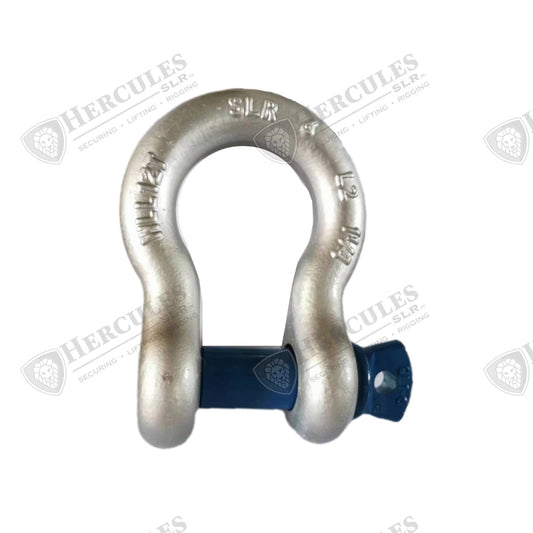
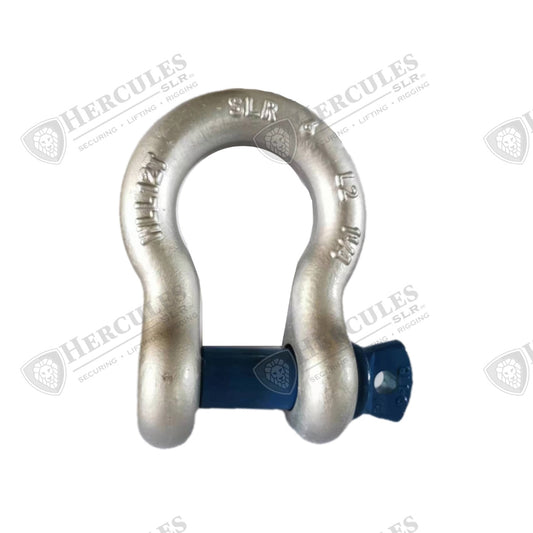
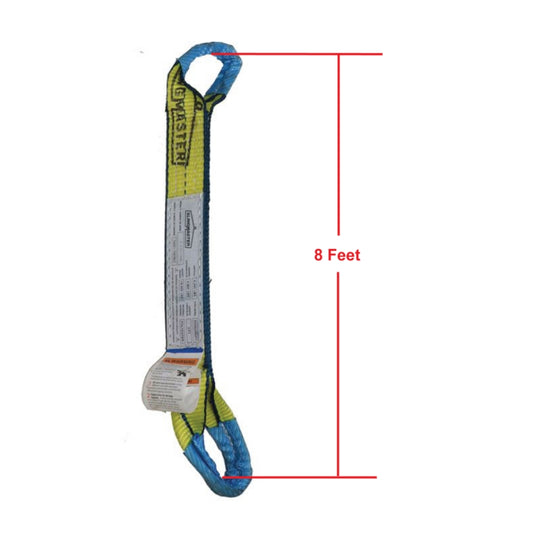
Hercules is a one-stop rigging shop with a vast list of capabilities. When it comes to rigging in the wind turbine industry, we provide both products and services — including a wide variety of hardware, rope, and rigging products. We also provide fall protection solutions for workers operating at height on wind turbine projects.
Ready to Equip Your Wind Energy Project?
Our rigging and fall protection experts are ready to help. Connect with a Hercules specialist today.
Contact Us


 In Stock