
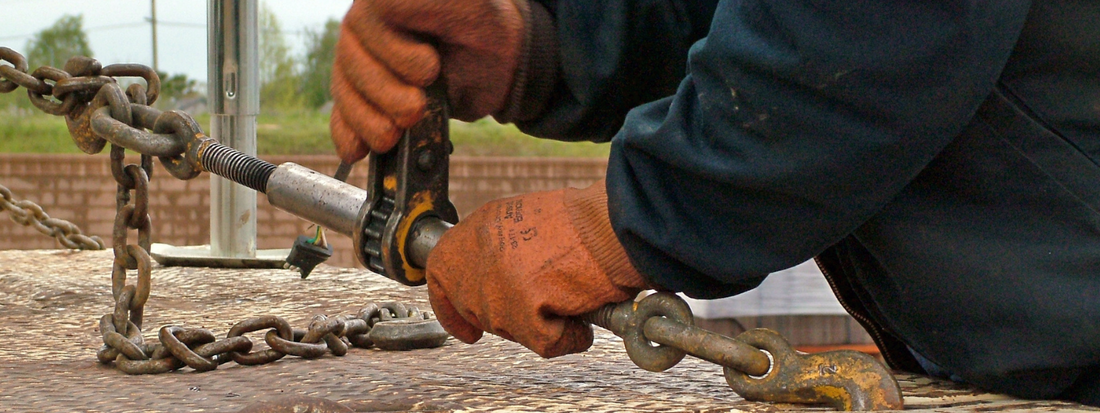
Tie-Down Binder Chain Use: A Complete Guide for the Transport Industry
In the transport and logistics industry, cargo security isn’t just a best practice—it’s the law. Every year, thousands of commercial vehicles travel Canadian roads carrying heavy loads of machinery, construction materials, industrial products, and other valuable cargo. The safety of these loads depends heavily on the tie-down binder chains used to keep them secure during transit.
Improperly secured loads are one of the leading causes of roadside inspections, fines, and, in the worst cases, accidents. According to Transport Canada, load securement issues contribute to an estimated 25% of all truck-related incidents. That’s why having the right tie-down binder chains—and knowing how to use them properly—is essential for compliance, safety, and protecting your investment.

What Are Tie-Down Binder Chains?
Tie-down binder chains are high-strength steel chains used in combination with binders (also called chain tensioners) to secure heavy loads to flatbeds, trailers, and other transport vehicles. They are designed to handle high working load limits (WLL) and resist abrasion, stretching, and damage under extreme tension.
These chains are a go-to choice for securing heavy machinery, industrial equipment, steel coils, concrete products, and other dense cargo that webbing straps can’t safely restrain.
Cargo Securement Standards and Requirements in Canada
The use of tie-down binder chains in Canada is regulated by the North American Cargo Securement Standard (NACSS). Compliance is enforced through roadside inspections and the Commercial Vehicle Safety Alliance (CVSA).
Key requirements include:
-
Tie-down equipment must be in good working condition—no cracks, excessive wear, or deformities.
-
Minimum Working Load Limit (WLL) requirements must be met based on the weight of the cargo.
-
The number of tie-downs is determined by the length and weight of the load.
-
All tie-downs must be attached and secured in a way that prevents them from coming loose or detaching during transport.
Fact: CVSA’s 2024 International Roadcheck found that cargo securement violations were among the top five out-of-service orders issued to commercial drivers in Canada.
Benefits of Binder Chains for Cargo Securement
-
Unmatched Strength – Binder chains are made from Grade 70, Grade 80, or Grade 100 steel, making them ideal for securing heavy-duty loads that exceed the safe limits of web straps.
-
Durability – Resistant to abrasion, UV exposure, and most weather conditions, binder chains have a much longer lifespan in harsh environments.
-
Versatility – Can be used with lever binders or ratchet binders, and for multiple load types—from construction machinery to industrial materials.
- Compliance Assurance – Using the correct grade and size ensures your cargo securement meets Canadian and U.S. safety regulations.
How to Choose Tie-Down Chains: Grade, Size, and WLL
When selecting binder chains, consider:
-
Chain Grade –
-
Grade 70: Transport chain (gold chromate finish), most common for load securement.
-
Grade 80 & Grade 100: Higher strength, often used in lifting applications but also excellent for very heavy transport loads.
-
-
Chain Size – Larger diameters increase working load limits. For example:
-
5/16" G70: ~4,700 lbs WLL
-
3/8" G70: ~6,600 lbs WLL
-
-
Working Load Limit (WLL) – Always choose a chain with a WLL greater than the load weight divided by the number of tie-downs.
-
End Fittings – Grab hooks are standard, but other fittings may be required depending on the anchor points.
Explore Transportation Products
Browse transportation equipment for your cargo securement needs, and compare options against your load, vehicle, and application requirements.
Shop Transportation Products →Using Tie-Down Binder Chains: Inspection, Attachment, and Tensioning
1. Inspect Chains, Hooks, and Binders
Check for cracks, bent links, worn hooks, or corrosion. Damaged chains should be taken out of service immediately.
2. Position and Stabilize the Cargo
Load should be evenly distributed and stable before securement begins.
3. Attach Chains to Anchor Points
Place chains over or through anchor points, ensuring no sharp edges are cutting into the links.

4. Apply a Ratchet or Lever Binder
-
Ratchet Binders: Provide gradual tension and are safer to release under load.
-
Lever Binders: Faster to use but require more force—use with caution.
5. Tighten the Chain Assembly
Chains should be taut but not overstressed.
6. Recheck Tie-Downs During Transport
Inspect tie-downs after the first 80 km of travel and every 150 km or 3 hours thereafter, per Transport Canada regulations.
Canadian Transport and Cargo Securement Statistics
-
Over 90% of Canada’s goods are moved by truck at some point in the supply chain.
-
The Canadian trucking industry moves over $850 billion in goods annually.
-
Load securement violations can cost carriers $500–$2,000 per infraction, plus downtime and lost business.
-
A study by the Federal Motor Carrier Safety Administration found that properly secured cargo reduces accident risk by up to 30%.
Common Chain and Binder Securement Mistakes
-
Using Damaged Chains – Even one worn or bent link compromises the entire chain’s strength.
-
Underestimating Load Weight – Always know the exact weight before choosing chain size and grade.
-
Insufficient Tie-Downs – Too few chains increase the risk of load shift.
-
Incorrect Binder Use – Lever binders can snap back if not released properly.
Tie-Down Chains, Binders, and Support from Hercules
At Hercules Crane & Lifting Supplies, we supply Grade 70, Grade 80, and Grade 100 binder chains along with lever and ratchet binders that meet or exceed all Canadian and U.S. cargo securement standards. Our team can help you select the right chain size, grade, and binder for your specific cargo and compliance needs.
We also offer inspection and testing services, ensuring your load securement gear remains safe, compliant, and ready for the road.
Don’t take chances with cargo securement. Visit Hercules Crane & Lifting Supplies today for high-quality tie-down binder chains, binders, and expert advice you can trust. Keep your loads secure, your drivers safe, and your business compliant.
📞 Call us or visit our store today to get the best binder chains for your transport needs.
Discuss Your Cargo Securement Needs
Have questions about chain grades, binders, or equipment selection? Share your transport requirements with Hercules and discuss the options for your application.
Contact Us →